
Type 1 Diabetes Care: Training Program in Isiolo,Marsabit and Laikipia Counties Type 1 Diabetes Care: Training Program in Isiolo,Marsabit and Laikipia Counties - Paediatric Endocrine Society Of Kenya
- Posted on August 21, 2024
- Post by admin
- 37 Comments
37 Replies to “Type 1 Diabetes Care: Training Program in Isiolo,Marsabit and Laikipia Counties”
Joseph
The sessions today were very informative key among them is the need to align out current practice in management of T1DM with the current recomended of Basal- bolus regimen.
George
I appreciate the way the information has been divided into small comprehensible portions.
Florence Mutingu
Received updates on how fluid management is done in DKA. I initially thought the fluid of choice is saline alone, I didn’t know ringer’s lactate is used too.
Joyce nyambura
My take home is on hypoglycaemia in T1Dm that it’s the mismatch between insulin and consumed food
FESTUS OKOTH OTIENO
Had great insights on need of carbohydrate counting to determine insulin dose.
Looking forward to learning more on how to implement the carbohydrate counting especially in school structured set up.
Sharon Kataka
Exciting insights on Type 1 diabetes with regards to exercise and nutrition
Kenneth
Have learned how to use prickers
Soluble insulin,luntys and many more section Soo educative
Bonsa Doti Huka
Updated on the basal bolus insulin management, not restricting our clients from diet
Nancy Muchiri
I enjoyed the management of DKA,have better clarity on insulin intensification and it was exciting to know the carbs contained in different food types
Mohamed
I learnt a lot from this training, especially how basal and bolus works in mimicking how insulin naturally work, so its easy for a type 1 diabetic patient to live a happy life achieving anything they aspire for, bolus and basal insulin therapy is the way to go,. I also learnt the horrible impact of mixtard i
Lucy kweri
I have learnt alot.
Importance of giving basal and boluses insulin
How to manage complications and the rule of 15 in nutrition
Lucy Kamunya
I was able to know the definition of type one diabetes, the signs and symptoms, how to manage it using the different insulin regimens, the complications, the components of the hypokit, how to test glucose level and how to store insulin
FESTUS OKOTH
Amazing hearing from the 17year old diabetic child who has been through many ups and downs but has held on with hopes of being a peadiatrician.
Enlightened by him on the short falls we as HCW contribute to poor patiemt attitude and demoralization.
Elizabeth Wambui Ogutu
The past two days have been so enlightening. I feel very confident that I’ll be able to competently transition my patients to the basal-bolus regimen and offer better care overall to these patients thanks to this training.
Nancy Muchiri
Happy to internalize the importance of insulin intensification,gained new skills on handling the adolescence, better approaches in giving diabetes education, patient experience was an eye opener to my gaps in service delivery and lastly happy to know my BMI.Am greatful to the whole team God bless you
Mary Gitari
It has really been educative,very glad learn about Diabetes type 1,the transition to new regime of Basal bolus, and the new management without making the pt feel discriminated,but,this needs more time,it was a marathon I’m far more better and equiped with adequate knowledge/skills and confidence.Thankyou all our mentors.
Maureen
Informative sessions.
More sessions on carb loading should be included.
Florence Mutingu
Received updates on how type 1 diabetes affects growth and development of children if not well managed
Galm Waqo
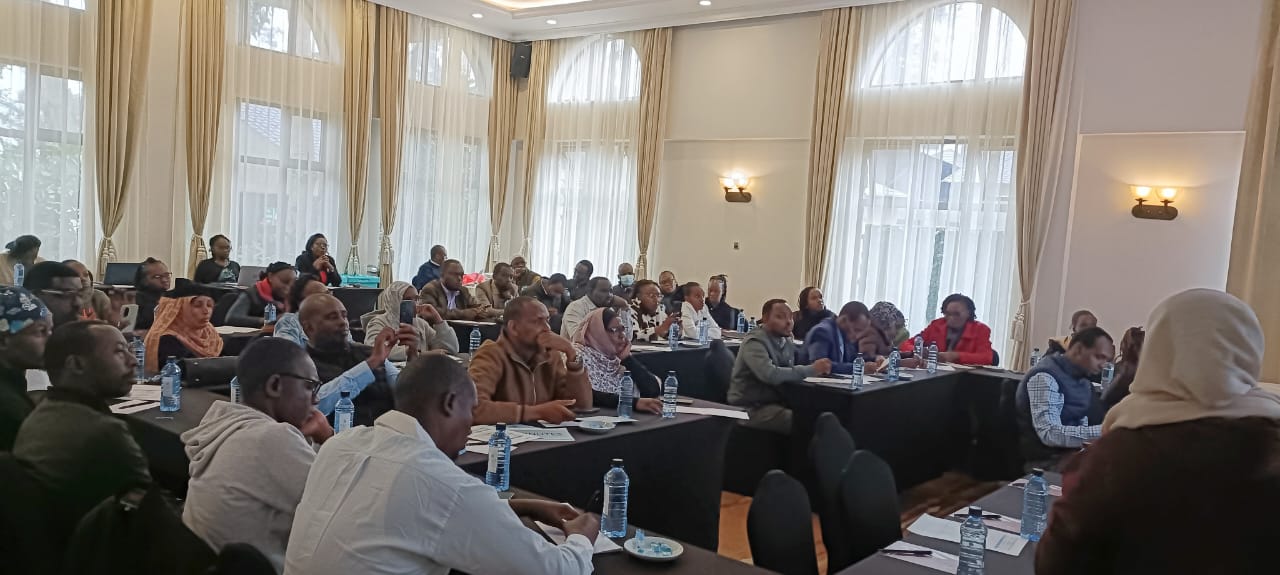
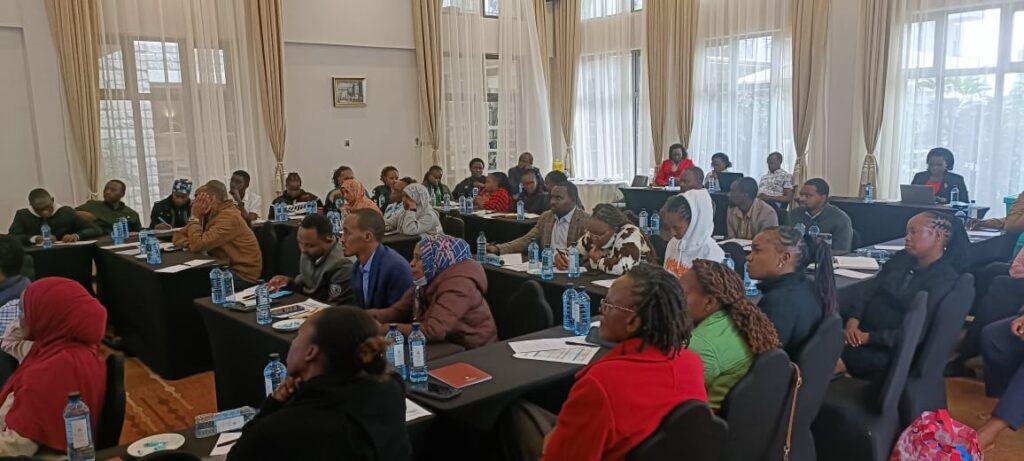
The training participants are multidisciplinary ( healthworkers from different caders ) involved in Diabetic patient care and management.
Personally am happy to have alot from this training more so on insulin therapy in type 1 Diabetes.
Bonsa Doti Huka
Basal bolus is the recommended insulin therapy in T1DM as it mimics the body’s physiology
Moses Learamo
We must transition from using premix(mixtard) in management of type 1 diabetes to using bolus-basal insulin.By doing so we will have better outcomes, controlled glycemic levels for our type 1 children.
I feel updated and empowered .
Joseph
Yesterday sessions I learnt the importance of close monitoring of BG during sick day and adjust insulin according but always ensure insulin administration does not stop.
Lucy
The training has been amazing..I’m confident in transitioning pts to basal bolus and how to adjust insulin in special circumstances..and the nutrition needs
Thar training has been so engaging and very helpful
That you the whole team for the wonderful work
Sharon Kataka
Hearing from the patient experience was an eye opener to the various gaps in the management of patients living with diabetes.
All health care providers should provide correct and necessary information to the patients to ensure they enjoy quality life despite being diagnosed with diabetes
Pauline Wambui
Day 1- very intensive training and very informative, delivered in a way that demystifies diabetes care. I can now comfortably manage the patients comfortably. Change to basal bolus is a game changer.
Day 2 – importance of diabetic education is key even to transitioning our paediatric patients to adult clinics.
Day 2. –
Kenneth
I would like to be a trainer of type 1 dm
Nancy Muchiri
I appreciate the take home messages that have been simplified
Festus Okoth Otieno
Overally, it was a very informative and goal directed training for the 3 days with expansive coverage of the key areas in managing type 1 diabetes in children.
Learnt the need to establish functional diabetes teams in our various hospitals and for expanded outreaches to the community beyond the hospital set up including schools and other learning institution.
Great opportunity to inform the various county leadership forums on the need for implementation of current evidence based efficient and effective practices in daibetes care.
Dr Ngare
Quite interesting topics today. Psychosocial support is very key to achieve good outcomes in management of T1DM.
Also, management of longterm complications
Florence Mutingu
Insights on long term complications of type 1 diabetes in children.
Elizabeth Wambui Ogutu
Very informative sessions today. I especially appreciated the need to support the patient AND care givers ( parents) psycho-socially, something which I’ve previously overlooked.
Maureen
Enjoyed the training
George
The session have increased my confidence in management of Type 1 diabetes in a more well rounded manner that involves the patients glycemic control, nutrition requirements, physical exercise safety, psychosocial care, and care taker well being.
Maureen
I enjoyed the overall training..it’s been educative.
Kamunya
I was able to learn long term complications and comorbidities of type 1 DM, the psychosocial care and routine management of type 1 DM
lucy wairimu
Nice presentation today.
I got to learn the long term complications & comorbidities, psychosocial care
And Routine management of type 1 DM.
Paulina dibo
Very educatuve sessions