Enhancing Type 1 Diabetes Care: Training Program Empowers Healthcare Workers in Kisumu and Busia Counties
Posted on May 29, 2024
Post by admin
13 Comments
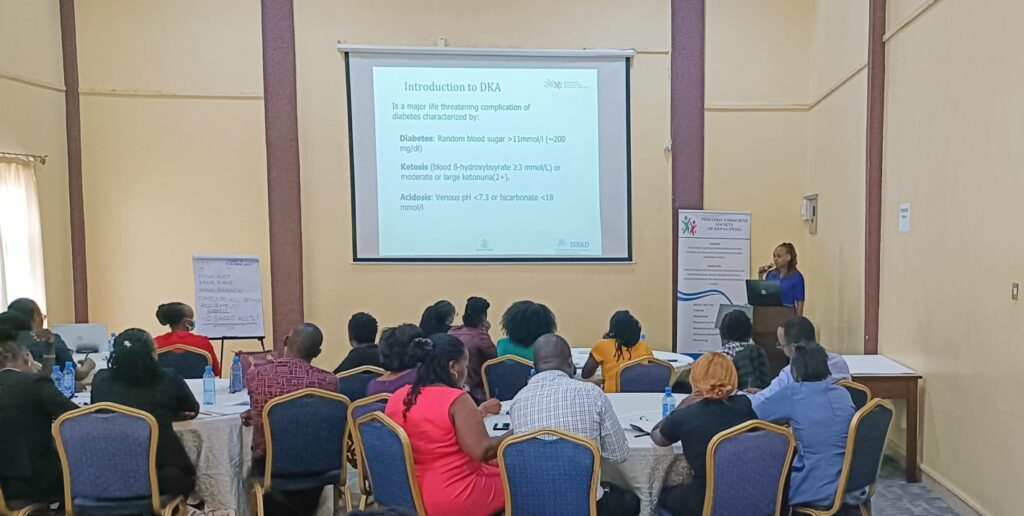
In a concerted effort to improve care for children and adolescents with Type 1 Diabetes Mellitus (T1DM), the Pediatric Endocrine Society Kenya (PESK), in collaboration with the Clinton Health Access Initiative and the Ministry of Health, has launched a groundbreaking training program. This initiative, tailored for healthcare workers in Kisumu and Busia counties, aims to address critical issues such as missed diagnoses, management gaps, and the provision of routine care.
Type 1 Diabetes Mellitus poses a significant global health challenge, especially in resource-limited settings where access to proper care and education is often restricted. In Kenya, the burden of T1DM is further exacerbated by late diagnoses and inadequate management, leading to avoidable complications and reduced quality of life for those affected.
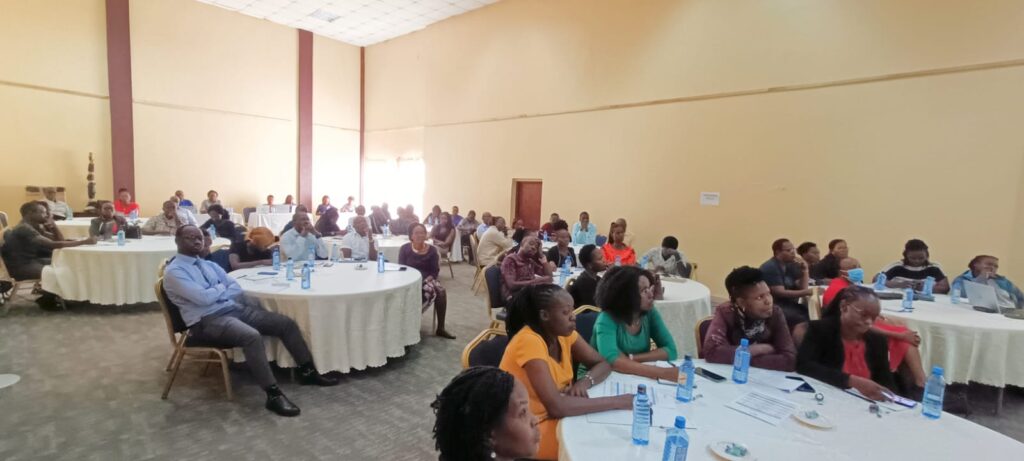
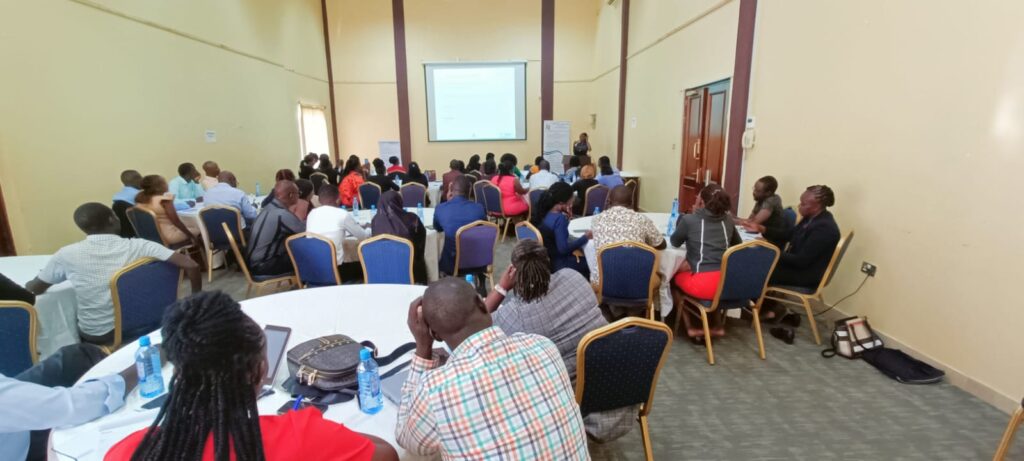
Recognizing the urgency of these challenges, PESK and its partners have orchestrated a comprehensive training program. Through workshops, seminars, and hands-on sessions, healthcare workers are being equipped with the latest knowledge and skills necessary for the effective diagnosis, management, and ongoing care of T1DM patients.
Key components of the training initiative include:
Early Recognition and Diagnosis: Training participants to promptly recognize the signs and symptoms of T1DM, facilitating timely diagnosis and intervention.
Optimized Management Strategies: Covering evidence-based approaches to T1DM management, including insulin therapy, dietary considerations, and lifestyle modifications to ensure optimal patient outcomes.
Comprehensive Care Protocols: Emphasizing holistic care, which includes medical treatment, psychosocial support, and education for patients and their families.
By empowering healthcare workers with the necessary knowledge and tools, the initiative aims to mitigate the impact of T1DM in Kisumu and Busia counties. Additionally, it seeks to foster a network of trained professionals who can advocate for improved diabetes care across Kenya.
This collaborative effort between PESK, the Clinton Health Access Initiative, and the Ministry of Health represents a significant step forward in the fight against T1DM, reaffirming the commitment to prioritize the health and well-being of children and adolescents living with diabetes.
Quite amazing most paeds patient come in Dka .how iwish more nurses were brought on board .because they are tge first to encounter this patients in the ward and rural facilities.the ratio of nurses to clinicians was very low .kindly note
29/5/2024. – To implement gaps identified.
Early Testing and diagnosis
Delay in diagnosis leads to acute and chronic complications.
HbA1c alone in diagnosis is not enough.
In diabetes type 1, complications might occur due to misdiagnosis and even relatives cultural beliefs. In this case, blood sugar test should be a daily to daily practice for sick children to enable early diagnosis to prevent complications like DKA.
New updates that will bring great change in the lives of our T1DM children.
Nutrition forming the backbone of care , carbohydrate count will serve better I bringing glycaemic control,a shift to basal bolus insulin regime will reduce the risk of developing complications of DM, multi sectoral involvement will reduce stigma. Patient centered and group centered approach will improve care and help the children be more self aware of their condition
T1D is autoimmune,genetically predisposed.we can do monitoring of sugars upto 7times .assess for hypoglycemia and hypoglycemia .carb counting,incase of DkA start with Iv fluids for bolus then calculate for 48hours baswd on weight
etc
Thank you for the enlightening sessions. My highlight:
1. Structured diabetic education
2. Carbohydrate counting
3. Insulin carbohydrate ratio and correction factor now makes better sense
4. Remind my patients not to skip insulin doses even if RBS is low. And to test RBS at least 7 times a day.
5. The timing of long acting (basal) insulin doesn’t matter.
6. Importance of hypokit bag
7. Rule of 15
The training has been so informative.
I have a lot on insulin carbohydrates ratio.
Hence avoid restricted diet for T1DM.
The calculation on the TDD and the correction factor.
The rule of 15 in case of hypoglycemia.
Importance of exercise and good mental/ psychosocial health.
This initiative is really doing a nice job of promoting good health and well being of our patients. We are therefore expected to involve even the community and the community health workers to help us identify these children whose parents have ignored claiming they’ve been bewitched or have a traditional cultural believes. This will reduce the rate of mortality as a result of DM type 1
It was a such an interactive session both theory and practical,;
1. Structured diabetic education
2. Carbohydrate counting
3. Insulin carbohydrate ratio and correction factor now makes better sense
4. Remind my patients not to skip insulin doses even if RBS is low. And to test RBS at least 7 times a day.
5. Growth and development, e.g weight, height,
6. Psychosocial care in T1DM
7. Sick day management e. g, fever, surgery

13 Replies to “Enhancing Type 1 Diabetes Care: Training Program Empowers Healthcare Workers in Kisumu and Busia Counties”
Phoebe
Great initiative indeed. We must find all these children and offer optimal care to them.
Salome situma
Quite amazing most paeds patient come in Dka .how iwish more nurses were brought on board .because they are tge first to encounter this patients in the ward and rural facilities.the ratio of nurses to clinicians was very low .kindly note
Pauline sirengo
We should intensify screening and testing of our puberty and pre puberty patients.Many go undiagonized for long till they come in DKA.
Gertrude Asimba Sagero
29/5/2024. – To implement gaps identified.
Early Testing and diagnosis
Delay in diagnosis leads to acute and chronic complications.
HbA1c alone in diagnosis is not enough.
Pauline sirengo
We should intensify screening and testing of our puberty and pre puberty patients.Many go undiagonized for long till they come in DKA.
IMMELDAH A. ODHIAMBO
In diabetes type 1, complications might occur due to misdiagnosis and even relatives cultural beliefs. In this case, blood sugar test should be a daily to daily practice for sick children to enable early diagnosis to prevent complications like DKA.
Bruce
New updates that will bring great change in the lives of our T1DM children.
Nutrition forming the backbone of care , carbohydrate count will serve better I bringing glycaemic control,a shift to basal bolus insulin regime will reduce the risk of developing complications of DM, multi sectoral involvement will reduce stigma. Patient centered and group centered approach will improve care and help the children be more self aware of their condition
Salome situma
T1D is autoimmune,genetically predisposed.we can do monitoring of sugars upto 7times .assess for hypoglycemia and hypoglycemia .carb counting,incase of DkA start with Iv fluids for bolus then calculate for 48hours baswd on weight
etc
Dr Joy Odhiambo
Thank you for the enlightening sessions. My highlight:
1. Structured diabetic education
2. Carbohydrate counting
3. Insulin carbohydrate ratio and correction factor now makes better sense
4. Remind my patients not to skip insulin doses even if RBS is low. And to test RBS at least 7 times a day.
5. The timing of long acting (basal) insulin doesn’t matter.
6. Importance of hypokit bag
7. Rule of 15
Doris Onyach
The training has been so informative.
I have a lot on insulin carbohydrates ratio.
Hence avoid restricted diet for T1DM.
The calculation on the TDD and the correction factor.
The rule of 15 in case of hypoglycemia.
Importance of exercise and good mental/ psychosocial health.
Maxwel Okoth
This initiative is really doing a nice job of promoting good health and well being of our patients. We are therefore expected to involve even the community and the community health workers to help us identify these children whose parents have ignored claiming they’ve been bewitched or have a traditional cultural believes. This will reduce the rate of mortality as a result of DM type 1
David Aketch
It was a such an interactive session both theory and practical,;
1. Structured diabetic education
2. Carbohydrate counting
3. Insulin carbohydrate ratio and correction factor now makes better sense
4. Remind my patients not to skip insulin doses even if RBS is low. And to test RBS at least 7 times a day.
5. Growth and development, e.g weight, height,
6. Psychosocial care in T1DM
7. Sick day management e. g, fever, surgery
Gertrude Asimba Sagero
Diet restriction in T1DM can lead to mental/psychological issues.
Always create a plan for diabetes management prior during and after surgery.