Transformative Type 1 Diabetes Training in Nairobi and Kirinyaga Counties
Posted on March 20, 2024
Post by admin
34 Comments
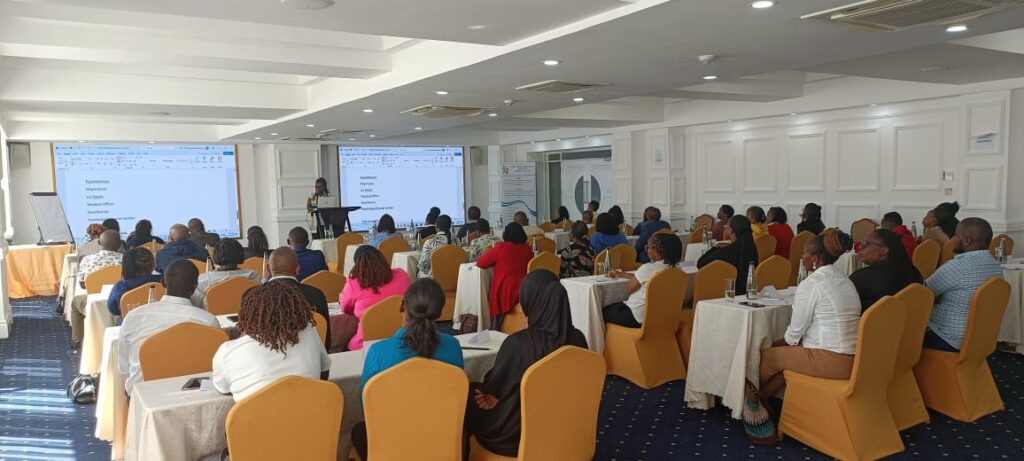
In a significant stride towards improving healthcare in Nairobi and Kirinyaga Counties, select healthcare workers underwent specialized training on managing Type 1 Diabetes. Facilitated by the Pediatric Endocrine Society Kenya (PESK) in collaboration with the Clinton Health Access Initiative (CHAI), this initiative marks a positive milestone in the region’s healthcare landscape.
Type 1 Diabetes, a chronic condition requiring lifelong management, poses unique challenges, particularly in resource-constrained settings. However, through targeted training programs like this, healthcare professionals are equipped with the knowledge and skills necessary to provide quality care to individuals living with the condition.
34 Replies to “Transformative Type 1 Diabetes Training in Nairobi and Kirinyaga Counties”
Great presentation
I have learnt
1.to achieve good results talk until there’s no saliva in your mouth(patent education)
2.DKA mnx expecially insulin therapy
I now know why we don’t give bicarbonate in DKA management , how to calculate doses for hyperglycemia correction, fluids and insulin calculations in both DKA and routine management .
I have known management of fluids in DKA and Insulin therapy including transitioning insulin after managing DKA.
Management of cerebral oedema and things to avoid in order to avoid a child developing cerebral oedema
I have learnt carbohydrate counting and correction factor.
Also learnt how to manage hypokalaemia.
The most important thing I learnt is that diagnosis of DKA can be done clinically by assessment of 3 things,
Enteritis with no diarrhoea
Dehydration but patient presents with polyuria
Respiratory distress with no lung involvement
Quite informative sessions.
Management of DKA is a stand out one for me.
How to calculate the fluids for fluid resuscitation,when and how to initiate insulin, when and how to switch from infusion to subcutaneous,the preferred insulins..correction factor.
The training has been so informative.
Management of DKA,Growth and development in diabetic children, Structured diabetic education , complications and many more.
Importance of growth monitoring….it is not just malnutrition,it can also help to rule out for DM type 1.
As a health care worker I have been able to realize the importance of handling patient with love,care ,listen to them help achieve the goals of treatment and management.

34 Replies to “Transformative Type 1 Diabetes Training in Nairobi and Kirinyaga Counties”
Keddy
Dka
Hypoglycemia
Erick Owino
The session so far so good,, loved the session on insulin dosage and adjustment calculation..
Gladys Chebet
Current Management of DKA
David fredrick
I have been reminded not to give insulin as iv bolus it increases risk of cerebral edema
Esther kagume nairobi county
Known how to manage DKA patients especially no insulin bolus anymore we start with rescucitation with fluids
Simon - kirinyaga
Very informative training especially how to calculate insulin and fluid dosage during DKA Management.
Becky bureti
Great presentation
I have learnt
1.to achieve good results talk until there’s no saliva in your mouth(patent education)
2.DKA mnx expecially insulin therapy
Jane mwangangi
The training is very informative
Im enlighten on my diabetic type 1 knowledge
This will improve my ability to manage children with type 1dm
Faith wamutira muriithi
I now know why we don’t give bicarbonate in DKA management , how to calculate doses for hyperglycemia correction, fluids and insulin calculations in both DKA and routine management .
Annalice Ouma
Quite Informative.
A lot of information to process in a limited time.
George
Very informative sessions.thankyou
Alphaeus Ogutu Opiyo
Very informative training on paediatric / Type 1DM.
George Kinyua
A Transformation of the mind, a fresh new look into the management of T1DM.
Kennedy Omonya
Very informative discussion learning is taking place 🤝
FRANCIS KINYUA
The training was good..I learnt a lot
Joyce Ndegwa
I have known management of fluids in DKA and Insulin therapy including transitioning insulin after managing DKA.
Management of cerebral oedema and things to avoid in order to avoid a child developing cerebral oedema
I have learnt carbohydrate counting and correction factor.
Also learnt how to manage hypokalaemia.
Leah Cherono Biegon
I have learned a lot, I now know am the pancrease my my clients. Thumbs up
Josephine kivuva
I have learned that when managing DKA the patient should be NPO.
Charity kaibutia
The most important thing I learnt is that diagnosis of DKA can be done clinically by assessment of 3 things,
Enteritis with no diarrhoea
Dehydration but patient presents with polyuria
Respiratory distress with no lung involvement
Philip
Quite informative sessions.
Management of DKA is a stand out one for me.
How to calculate the fluids for fluid resuscitation,when and how to initiate insulin, when and how to switch from infusion to subcutaneous,the preferred insulins..correction factor.
Eunice Ngulu
The training is very informative. Learned DKA n the mnx
Complications like Cerebral oedema n the mnx
Different types of insulin.
Fridah
Very informative training. Learnt on the DKA management and transition of premix to intensive insulin therapy.
Mercy
I love how the facilitators simplified the topics. They were easy to follow.
Becky bureti
Great presentation….very eqipt presenters
Delvin Ondari
Very informative training
Learned on the current mnx of DKA and fluid replacement.Macro and microvascular complications of Type 1DM
Stephen kiama maina
My objectives have been addressed
Ann Bochere Omari
I have learnt a lot on management of type 1 diabetes and Long term complications
Lobar D
Good management of diabetes improves quality of life and reduce complications
Mary Gatwiri josphat
The training was very informative. Am grateful to the organisers. Have learnt a lot and ready to transit my clients.
Caroline Mutune
The training has been so informative.
Management of DKA,Growth and development in diabetic children, Structured diabetic education , complications and many more.
Loise
Importance of growth monitoring….it is not just malnutrition,it can also help to rule out for DM type 1.
As a health care worker I have been able to realize the importance of handling patient with love,care ,listen to them help achieve the goals of treatment and management.
Juliet Nelima
Very educative sessions av learnt about cormobid conditions and their mx, long term complications and associated risks.
FRANCIS KINYUA
The training was good..we learnt about: long term complications of Type 1 Dm
Judy
A very informative session, I learned the importance of management of T1D in schools and why everyone should be involved.